


Croatia
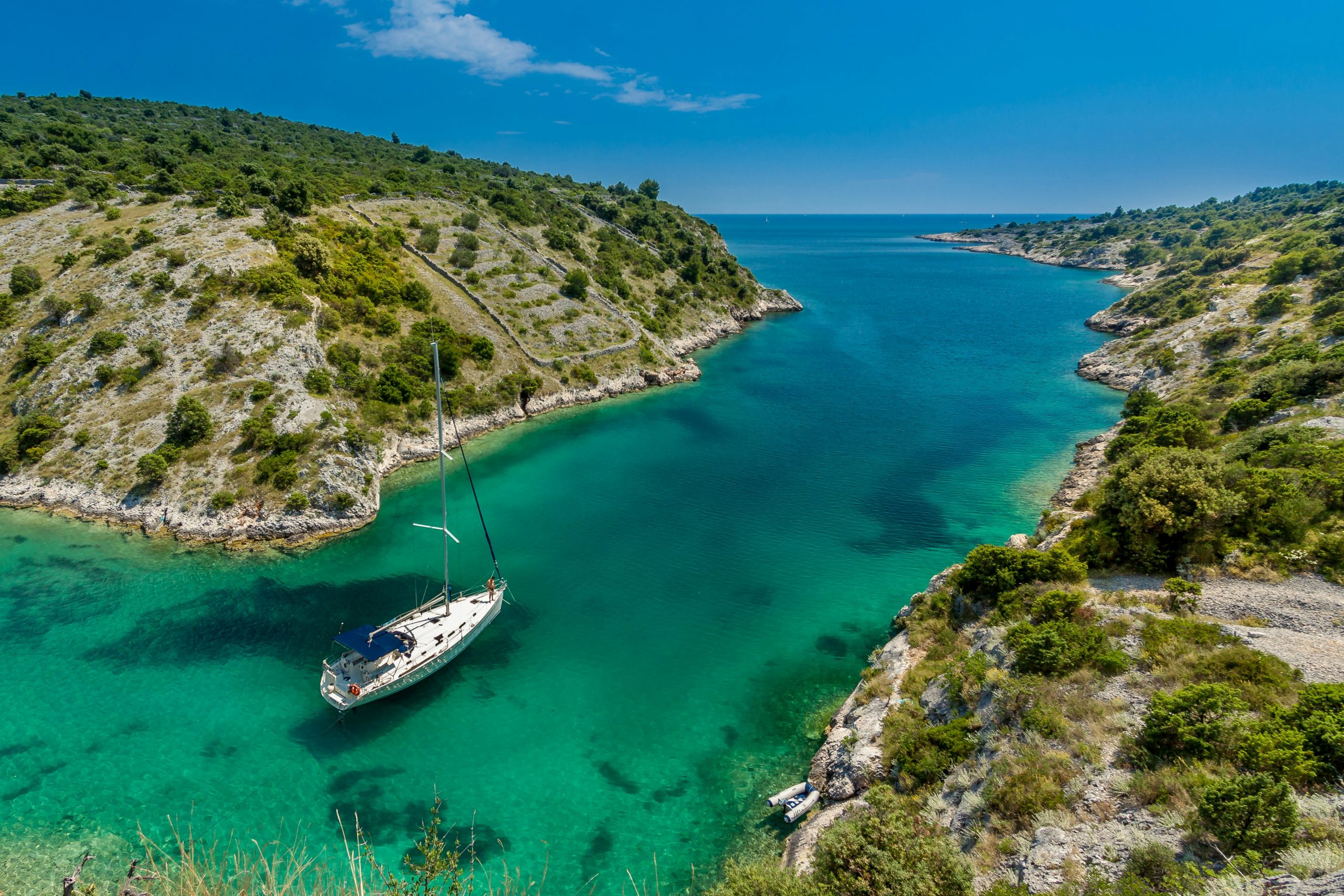
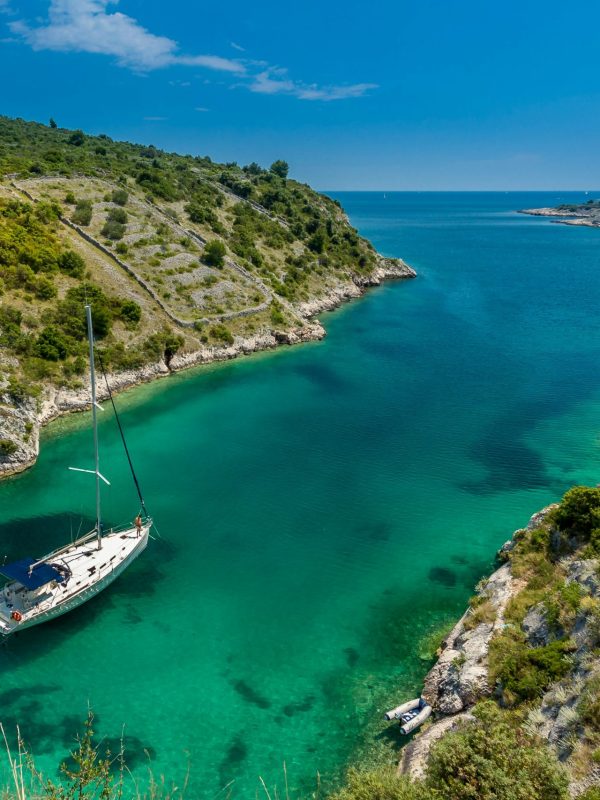
Croatia means friendly people, beautiful nature, and first-class resorts. It boasts nearly 4,000 kilometers of coastline featuring picturesque rocky coves, pristine beaches awarded the "Blue Flag" for environmental excellence, and the crystal-clear waters of the Croatian Adriatic.
"You can even drink this water," locals say, deeply in love with their country. While you probably shouldn't drink it, it is indeed remarkably clear. The reason for the extraordinary transparency of the Croatian waters is the virtual absence of muddy shorelines. Croatia is an island nation, home to about 1,200 islands and islets, only 50 of which are inhabited. The largest ones are Hvar, Korčula, Brač, Dugi Otok, Pag, Cres, and Rab.
Couples in love and those who prefer to sunbathe au naturel enjoy the uninhabited islands. However, there are also dedicated beaches for nudists along the coast; Croatia is a recognized European center for naturism, and many families visit specifically for this reason. If you want to hear the roar of the endless waterfalls at Plitvice Lakes, dive to sunken ships, wander through medieval castles and estates, meander through ancient narrow streets, go sailing, or enjoy diving, then welcome to Croatia.
Geographical Location
Croatia is located in Central Europe, on the northeastern coast of the Adriatic Sea. It shares borders with Slovenia to the north, Montenegro to the south, Hungary and Serbia to the east, and Bosnia and Herzegovina to the southeast. To the west, the country is washed by the Adriatic Sea. The total area of the country is 56,500 square kilometers. Most of Croatia is covered by medium-altitude mountains.
Capital: Zagreb
Climate
There are two main climate types in Croatia: Mediterranean along the Adriatic coast, characterized by hot, dry summers and warm, humid winters; and moderate continental in the interior, with cold winters and moderately warm summers. The Adriatic coast is the most visited part of Croatia due to its high number of sunny days per year. The best time to visit is from May to October. The coldest period is from December to February.
In summer, the water temperature reaches up to +26°C. The coastal climate features mild winters and dry summers (lasting 5–6 months). Average summer temperatures are +25°C for the sea and +30°C for the air. Even in winter, the temperature does not drop below +10°C (in January). The swimming season lasts from mid-June to late September. The warmest resorts are located in Southern Dalmatia.